
The fifth annual LegalTech in Leeds Conference brought together professionals from across law, technology, academia, business and the public sector for a day that covered everything from AI adoption and property data to regulatory guidance, startup pitches and the economic future of the city itself.
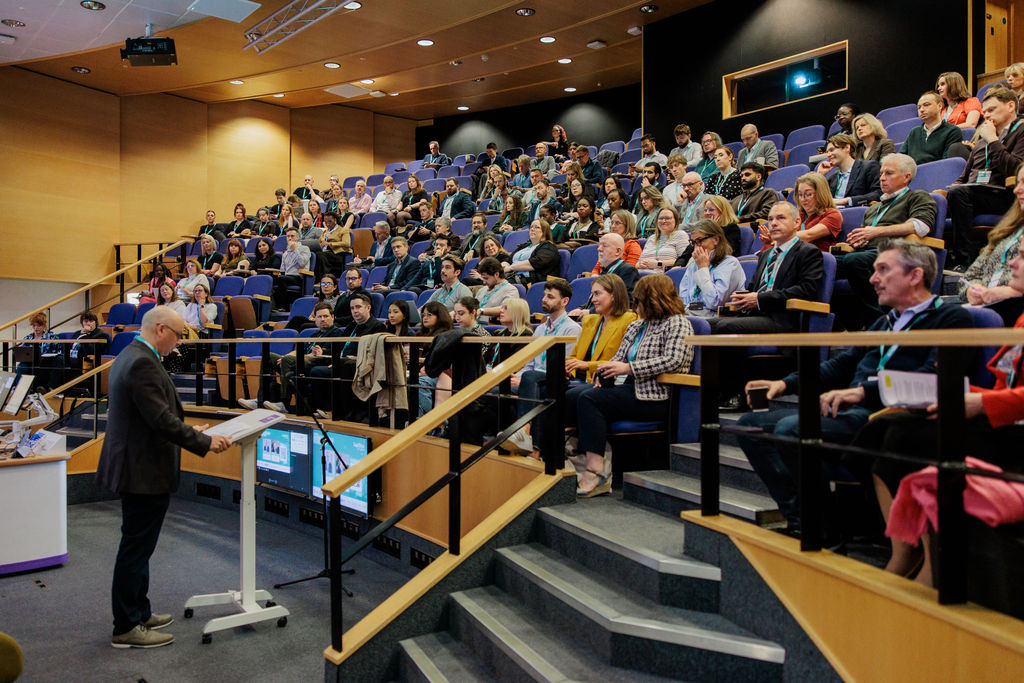
Conference co-chairs Tom Matusiak , Legal Director at Stewarts and Director at Leeds Law Society, and Katherine Megson, Head of Innovation & Growth Bruntwood SciTech opened proceedings by setting tone for the day: innovation, AI adoption, collaboration and the future of legal services across the UK.

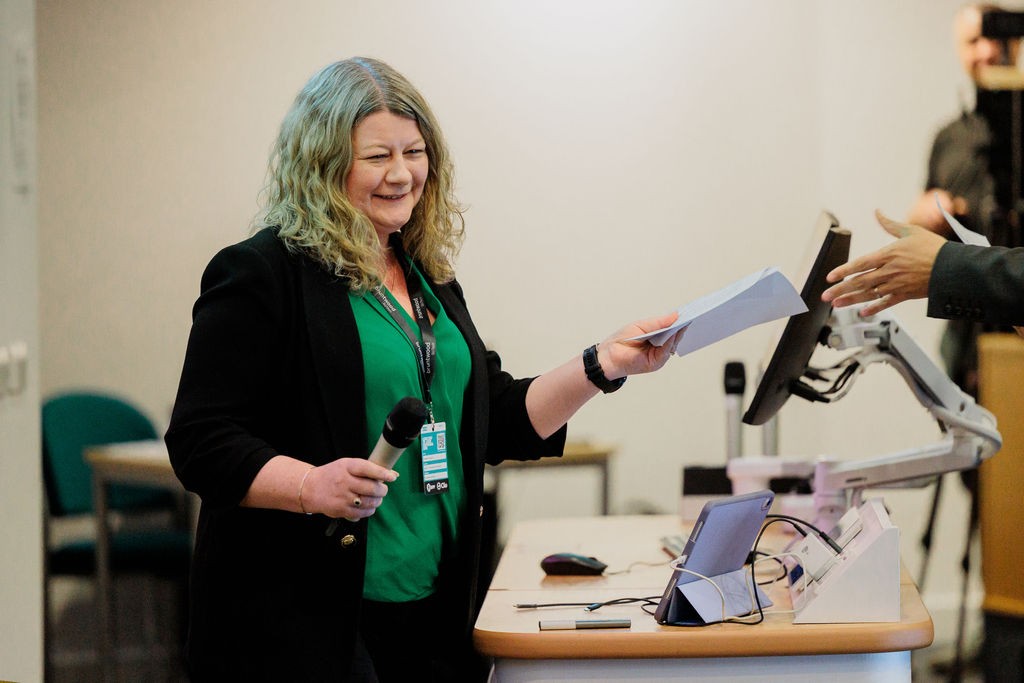
"It was an absolute privilege to co-host the LegalTech in Leeds Conference alongside Tom. The energy in the room was fantastic, and the day had the perfect measure of education, genuine knowledge sharing, new tech, and actionable industry insights. I loved the honest, often humorous conversations that our speakers and attendees brought to the table. We tackled the big questions about AI and innovation, and I think we can safely conclude: the future of the lawyer isn't going to be Robocop. It is still very much human-led, just supercharged by brilliant tools and a curiosity to learn and implement." Katherine Megson, Bruntwood SciTech
Professor Nnenna Ifeanyi-Ajufo, Professor of Law and Technology at the Leeds Law School, Leeds Beckett University delivered the opening remarks, reflecting on the growth of the LegalTech sector in Leeds, now one of the UK's largest legal innovation communities outside London. She highlighted that while AI, automation and data-driven technologies are reshaping legal services, adoption must be responsible, ethical and inclusive. She also spoke about the importance of collaboration between universities, industry and legal professionals in preparing the next generation for a technology-driven legal future.

Luke Corcoran, President of Leeds Law Society and Senior Lawyer in the Government Legal Department (GLD) followed, emphasising the importance of openness and honesty across the sector. He challenged delegates to take one idea, insight or action from the day, something that would make them do things differently, and carry it back into their organisation.

Beth Fellner from LegalGeek provided an overview of the UK LegalTech ecosystem, with a focus on accessibility for smaller firms, including the SME LegalTech matchmaker initiative designed to help firms identify the right technology solutions. On investment, AI and workflow automation continue to dominate investor interest.

Harry Black, Sales Manager, from Clio explored how AI is reshaping efficiency within modern law firms, focusing on the shift from isolated AI tools towards connected, intelligent workflows that integrate directly into legal operations. He noted that the firms seeing the biggest gains are those building automation-first processes around shared data and centralised systems, and that the difference between generic AI tools and specialist legal AI platforms is becoming increasingly significant.

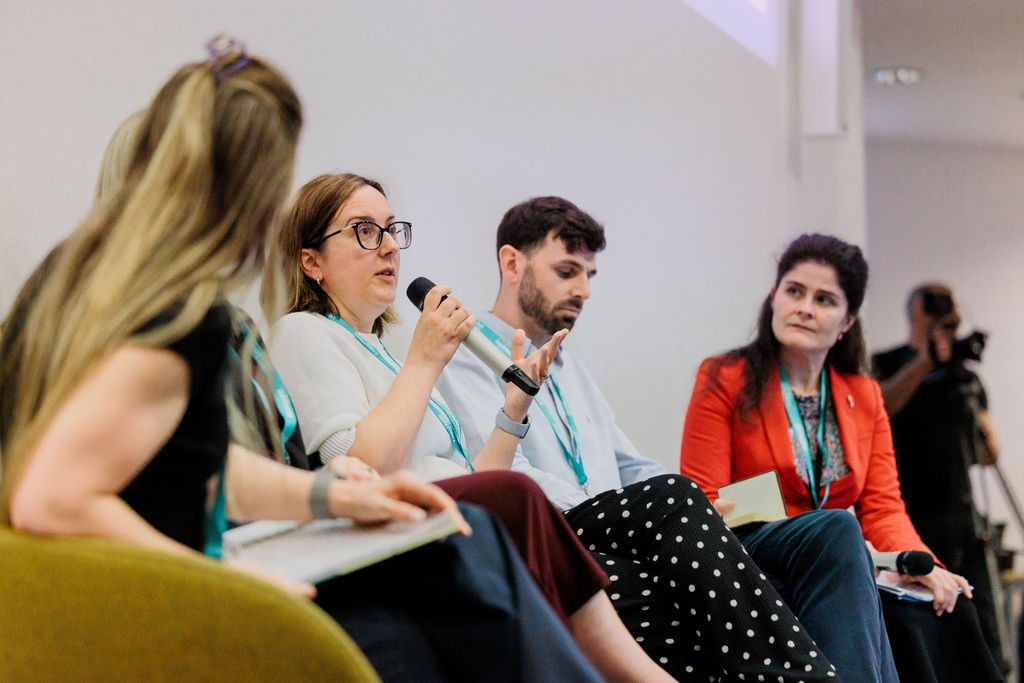
Chaired by Chloe Thompson, Senior Consultant at Alchemmy Consulting.
Panellists: Laura Pilkington (Innovation Lead, Walker Morris LLP), Claire Thompson (In-House Solicitor, Screwfix, and Sheffield LegalTech Chair), Dr Virág Blazsek (Associate Professor of Law, University of Leeds), and Ed Strudwick (Solicitor, Gordons LLP).

The panel focused on implementation, leadership and long-term change. A recurring theme was that successful AI adoption requires a process-first approach before introducing new tools, alongside maintaining human connection as technology becomes more embedded in legal operations.
Client expectations were another focus, with growing demand from clients for firms to demonstrate clear AI policies, transparency around usage and practical examples of how technology can improve legal workflows and service delivery.
The panel also discussed international perspectives on AI regulation, particularly risk-based approaches across the UK, US and Singapore, and the increasing emphasis on ethics, transparency and professional diligence.
The session closed with a discussion on legal education and future talent, covering how to balance AI integration with preserving core legal reasoning, analytical thinking, communication and interpersonal skills.
"It was fantastic to be part of LegalTech in Leeds. There was a real sense of momentum around how we are moving from experimentation to embedding legal tech in day-to-day practice, and how human connection remains at the core of legal services. The speakers sparked honest, practical discussion on what's working and what isn't, and it is brilliant to see such a strong, collaborative community driving innovation forward in the region." Laura Pilkington, Walker Morris LLP
Chaired by Clare Grant, Commercial Director for Legal Apprenticeships at BPP
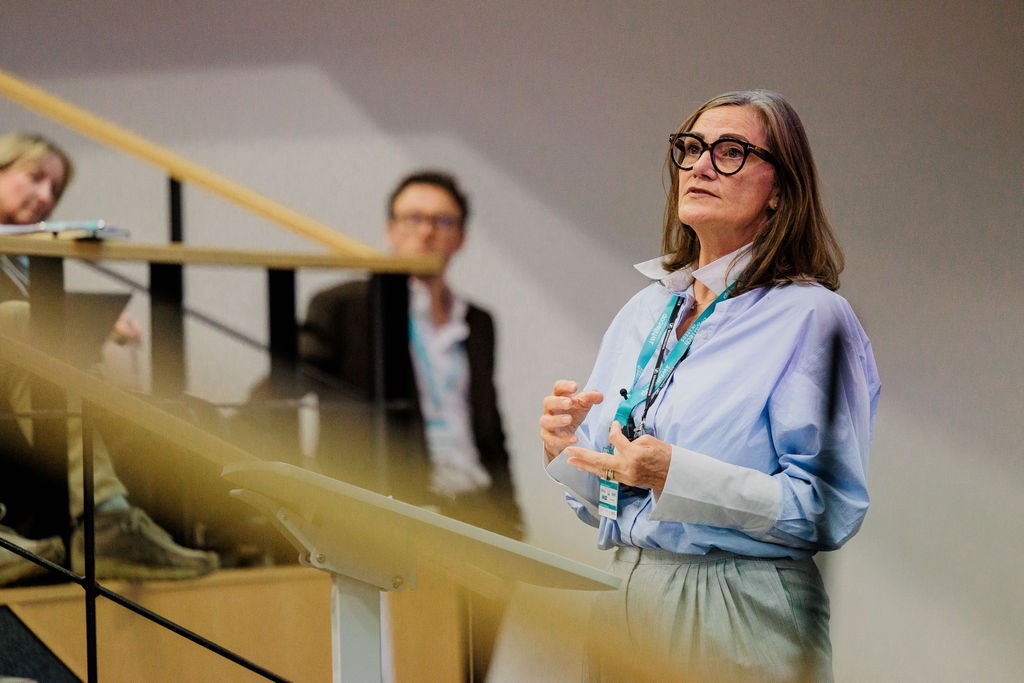
Panellists: James Grice (Head of Innovation and AI, Lawfront Group), Martin Beanland (Head of Service, Park Lane Plowden), Claire Zucker, MSW (Senior Account Executive, Laurel) and Kelly Cunningham (Senior Knowledge Lawyer, Walker Morris LLP).
If the morning's first panel was about the human side of adoption, this one went straight for the strategic and operational realities. The panel's central argument was that AI adoption is no longer a technology conversation. It is a business strategy conversation, and firms that are still treating it as the former are already behind.
One of the more direct moments in the session was the discussion around behavioural change. Buying technology is the easy part. Investing equally heavily in training, communication and change management is where most firms fall short, and the panel did not shy away from saying so.

Regional firms got a positive mention, highlighted as increasingly agile in their approach, using technology to improve efficiency, service delivery and accessibility in ways that larger firms are sometimes slower to move on. On the future workforce, the message was consistent: embedding innovation and AI training into trainee development from day one is no longer aspirational. It is a necessity.
Adam Roney CEO and Founder of Calls9 and Kalisa joined Patrick Grant Associate Professor AI and Technology, The University of Law on stage for a fireside discussion on what genuine AI adoption looks like in practice and what it really takes to move from curiosity to commitment.

Several points from the conversation stood out:
Responsible AI means explainable, auditable and consistent. If a firm cannot answer where its data is stored, or whether a vendor has switched models without telling them, that is a problem that needs addressing now rather than later.
The risk of AI monoculture is real and underappreciated. Firms need to be pushing vendors for differentiation and actively understanding the implications of the models they are using. Concentration risk in AI supply chains is not a hypothetical concern.
Human judgement is not going anywhere, particularly in high-touch areas like family law, crime and litigation. The goal is the combination of legal expertise and AI capability working together, not one replacing the other.
And on a point that does not come up enough: the carbon footprint of AI matters, both financially and ethically. Efficient models are not just better for the planet, they are better for the bottom line
Andy Evison, Director at Xexos , delivered one of the more practically grounded sessions of the day, focused on IT procurement and what it actually means for LegalTech adoption in SME law firms.

The session covered ground that many firms know they should be thinking about but often do not prioritise until something goes wrong.
Many firms are overpaying for technology they are not using. Software licences, unused tools, bloated stacks. The problem is often not a lack of investment but a lack of clarity on what outcomes the investment is supposed to deliver. Andy referenced the National Law Society's procurement guidance and brought it to life with examples from what he is seeing on the ground right now.
The foundations matter more than the headline tools. Secure cloud infrastructure, clean data governance, managed devices and cyber compliance are not optional extras. They are what makes everything else possible. Chasing the latest AI tool on top of shaky foundations is a shortcut to expensive problems.
AI-enabled devices and integrated workflows are also becoming a talent issue. Firms that get this right will have a genuine advantage in attracting and retaining people.
Finally the leaky long tail, it's a real cost that adds up fast. Unused licences, unmanaged software, technology that nobody is actually using. Before thinking about what to adopt next, firms need a clear picture of what they are already paying for.
AI and the Bar Henry Fingerhut from the Bar Standards Board shares their recent research and published guidance on AI usage for the Bar, covering how existing duties and rules under the BSB Handbook apply when using AI and other technologies.

The guidance sets out good practice principles to support barristers at all stages of adopting and using technology, including:
The next step from the BSB is a competence-focused initiative to help barristers gain the skills to apply the guidance confidently in practice.
Chaired by Julian Wells from PEXA UK, covering data trust, digital identity and managing change in a multi-stakeholder, multi-regulator environment.

Panellists: Jayne Roberts (Skipton Building Society), Kris Byers (MQube) and Angela Hesketh (PEXA and the Open Property Data Association).
Angela Hesketh set out the smart data agenda and digital identity landscape, and the potential implications for the property sector. Property is the number one use case for smart data, with potential economic benefits of £14.1 billion GDP, but realising that requires trust, interoperability and collaboration across a complex multi-regulator environment.
Jayne Roberts brought the lender perspective from Skipton Group, which uniquely spans mortgage lending, estate agency, mortgage broking and conveyancing. That end-to-end view of the transaction process makes the inefficiencies very difficult to ignore, and Jayne was direct about where the system is failing customers and what needs to change.

Kris Byers discussed the technology provider perspective around mortgage origination through to completion. MQube's platform can offer a mortgage in minutes using AI, but he noted that speed without trust and accuracy is worthless, and that getting the data right upstream is the only way to reduce rework and failure downstream.
The conversation kept returning to the same point: digital completion, qualified electronic signatures, digitising the land registry, reducing data duplication. The infrastructure is being built, but it requires collaboration at every level and no single organisation can do it alone.
PEXA reflected on the day:
"Conferences like this can play an important role in increasing understanding and adoption of new innovations within the legal and adjacent sectors. It was fantastic to be able to support such a high profile event in our home city of Leeds, and to host a panel session focused on how data is helping enhance the home buying and selling process in the UK."
Patrick Grant Associate Professor AI and Technology, The University of Law, opened with a legal dispute from 1818 to illustrate that the law has always adapted to new technology.
He then moved to the specific risks associated with AI in legal practice: hallucinations, recency blindness, the fact-checking burden and agentic misalignment. These are not abstract concerns. They are operational realities that legal professionals need to understand and plan for.

Patrick also made one of the more concrete commitments of the day: ensuring that every staff member and student at the University of Law completes an AI training course over the next year. Simple, measurable and exactly the kind of action Luke Corcoran had challenged the room to take that morning.
Charlotte Carruthers, Data Protection Practitioner and Kainaat Baig, Paralegal from rradar presented the app they built at last year's LegalTech in Leeds Hackathon and provided an update on progress since.
The app helps businesses navigate compliance with Martin's Rule, combining a free education layer with subscription-based compliance support including forms, checklists and deadline reminders. They are currently testing real-world implementation.

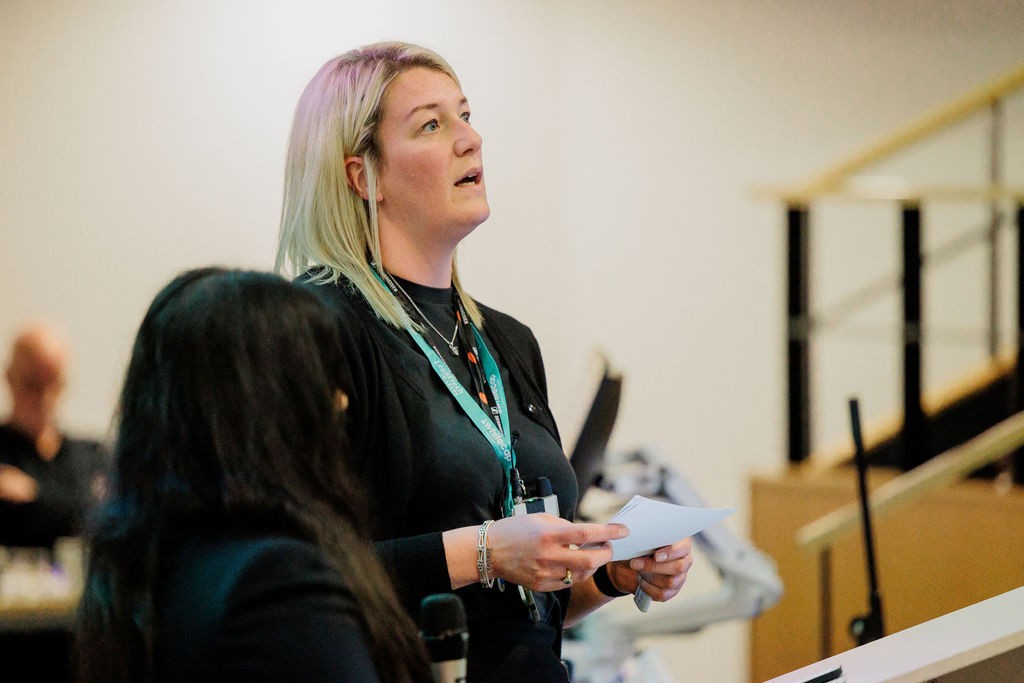
Chaired by Beth Fellner Director at LegalGeek
Panellists: Gary Gallen (CEO and Founder, rradar), Clare Streets (Innovation and Digital Lead, SuperTech WM ) and Jon Bartman (The Law Tech Consultancy).

Gary shared what it actually looks like to grow and scale a LegalTech business from the inside, drawing on his experience building rradar. Clare brought perspectives on innovation programmes across the professional services sector, discussing how place-based, evidence-led approaches can drive meaningful change in legal tech at both a regional and national level. Jon, who has spent years working with law firms across the UK and North America, focused on the realities of technology adoption, including the importance of understanding customer needs, managing risk and going into the process with a clear business plan.
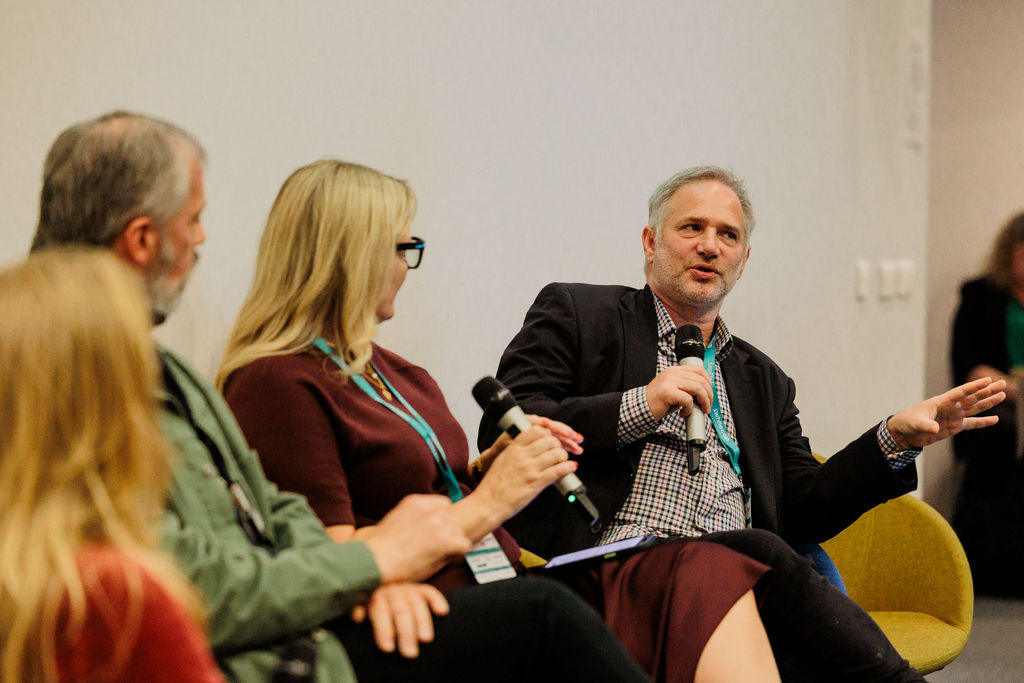
Some areas of discussion across the panel: selling technology to law firms is hard regardless of their size, as lawyers are trained to correct mistakes rather than embrace uncertainty. The rapid adoption of generative AI over the past 18 months has changed how many lawyers perceive what technology can do for them. For LegalTech founders considering fundraising, the advice was to keep your day job for longer than you think, build a robust idea first, raise small amounts initially and be realistic about your business plan. On incubators, the panel noted their role is not just about funding but about shaping technology to meet the real day-to-day needs of law firms, and that law firms need to participate in those programmes and demand technology that actually works for them.
Chaired by Chris Grant, Head of Client Value at Goodwin, the showcase gave seven innovators five minutes each to make their case, followed by a Q&A with the audience. The presentations were sharp, the ideas were strong and the audience shared some interesting insights (if you didn't know what LARPing was before the conference, you do now).
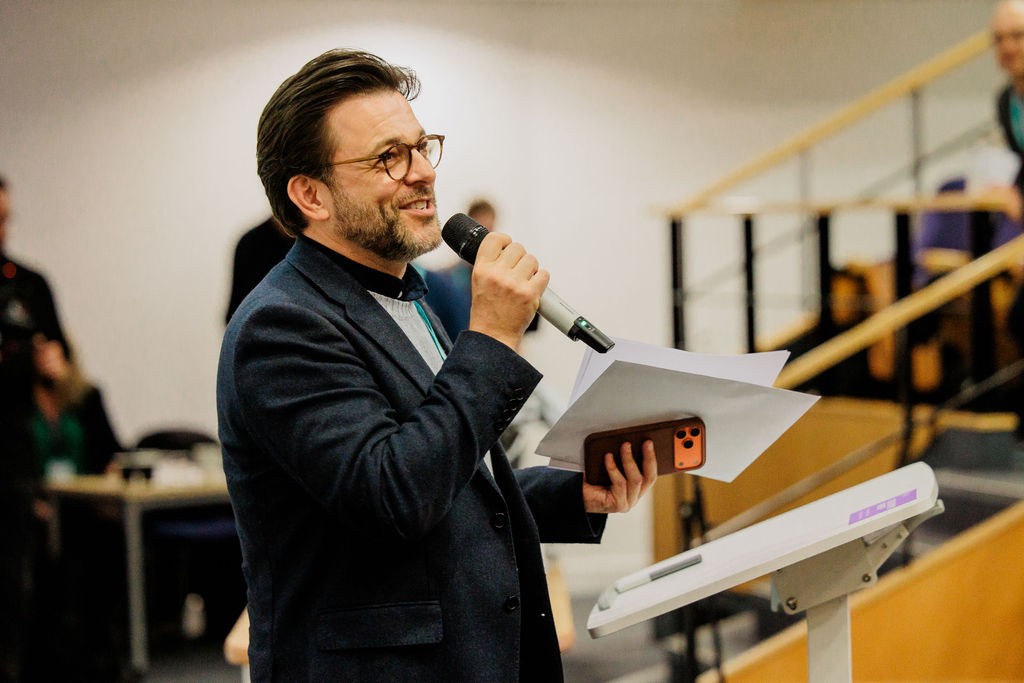
Legalito (Peter Ambrose) - a platform built by lawyers for lawyers, delivering smart document analysis, reporting and enquiry management for the conveyancing sector.

"This was our first time at LegalTech in Leeds and we loved it. The energy, the humour and the level of interest was amazing. Everything was very organised and we particularly enjoyed the opportunity of the five minute pitch for Legalito." Peter Ambrose
AILES Project (Crish Nagarkar, Professor Leonid Bogachev and Professor Serge Sharoff, University of Leeds) - a project from the University of Leeds aiming to innovate family law practice by combining machine learning and large language models to predict family court judgments in a trustworthy and explainable way.
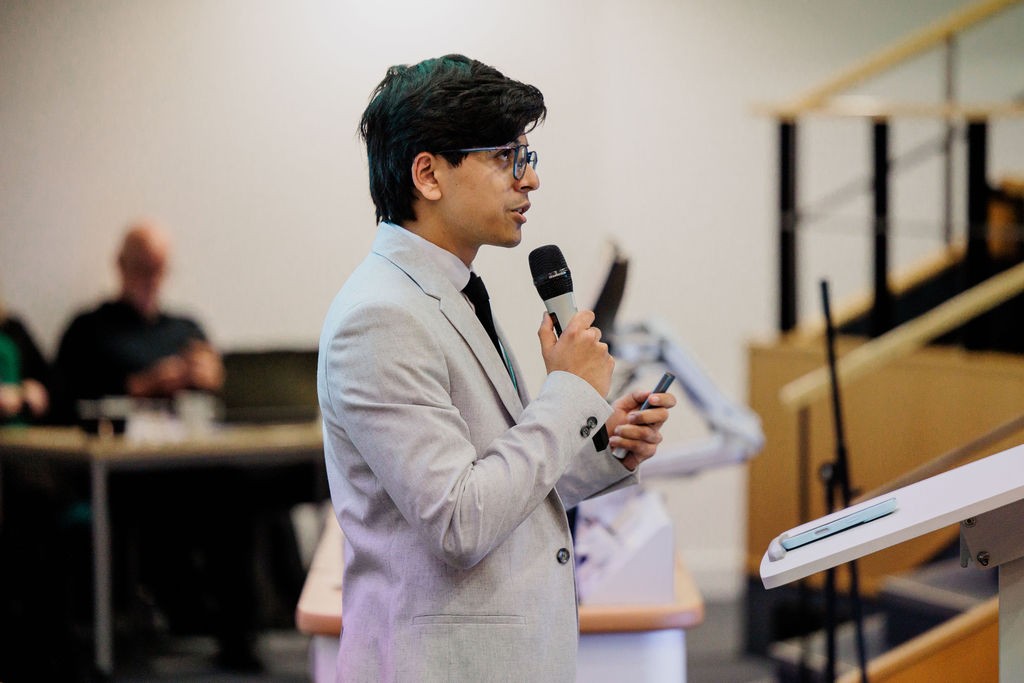
Laurel (Mary Rychlik) - the work intelligence platform helping law firms automate timekeeping, surface real-time profitability insights and measure the ROI of their AI investments.
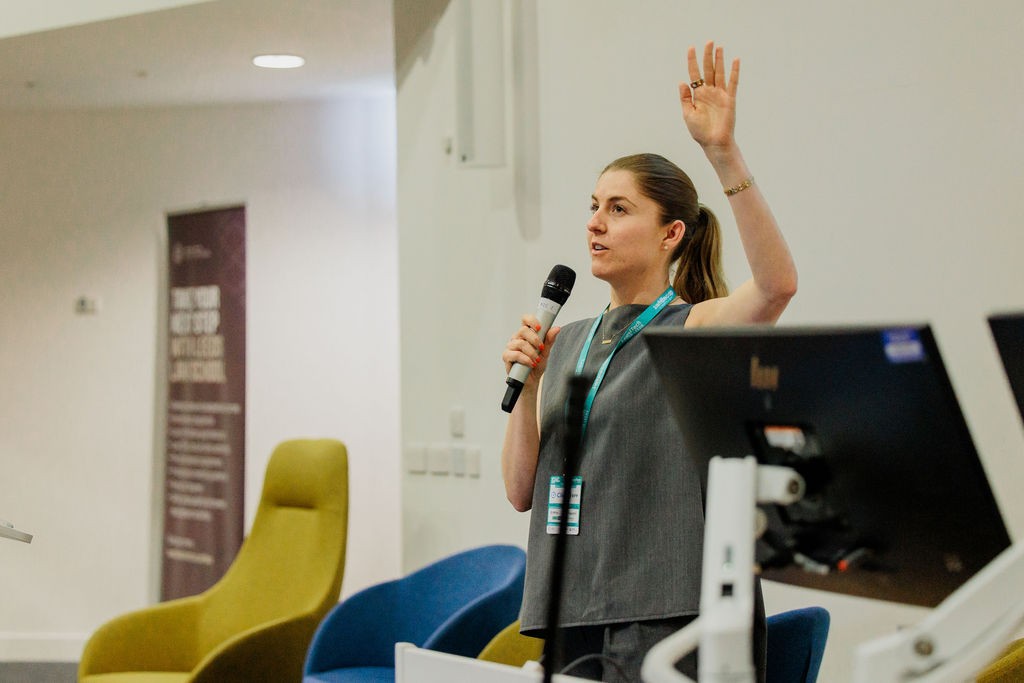
i agree (Helen Cutler and Chris Fortune, Co-Founders) - the informed consent platform replacing outdated e-signatures with a compliance-focused way to prove clients genuinely understood what they agreed to.

Collaborative Conveyancing (Luke Harris) - bespoke voice AI agents that handle inbound and outbound calls on a firm's behalf, 24/7, reducing manual workload and improving client experience.

LegalCloud Services (Pelumi Okezie, Co-Founder and Managing Director) - intelligent workflow solutions helping in-house legal and company secretarial teams work smarter within their existing Google or Microsoft environments.
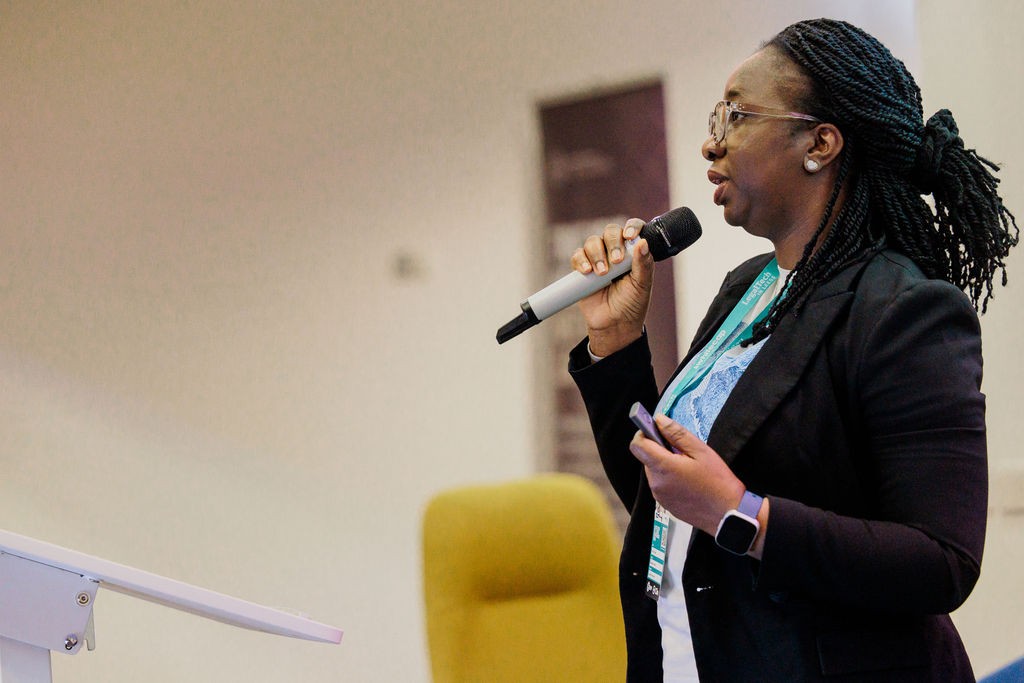
Katchr (Graham Moore, Founder and Managing Director) - the B Corp-certified business intelligence platform that has helped over 100 law firms transition to a data-driven culture.

Ed Whiting closed the conference by zooming out from the day's sessions to look at the bigger picture: Leeds as a city, its economic ambitions and what that means for the sectors in the room.

Leeds' economic vision involves adding £20 billion to the economy and creating 100,000 jobs over the next decade, with financial, business, professional services, medtech, and data and digital sectors central to that growth. Major institutions including the Financial Conduct Authority and the Bank of England are expanding their presence in the city.
Infrastructure plans include 50,000 new homes, one million square feet of new office space, and a new tram system alongside bus network improvements. Cultural investment includes upgrades to the Royal Armouries Museum and the establishment of a National Poetry Centre.
The West Yorkshire Combined Authority's role in coordinating growth with neighbouring cities, particularly Bradford, was highlighted as important to ensuring wider regional benefit.
A huge thank you to the sponsors and partners who made the LegalTech in Leeds Annual Conference 2026 possible. Events like this do not happen without the organisations that believe in what we are building and choose to be part of it.
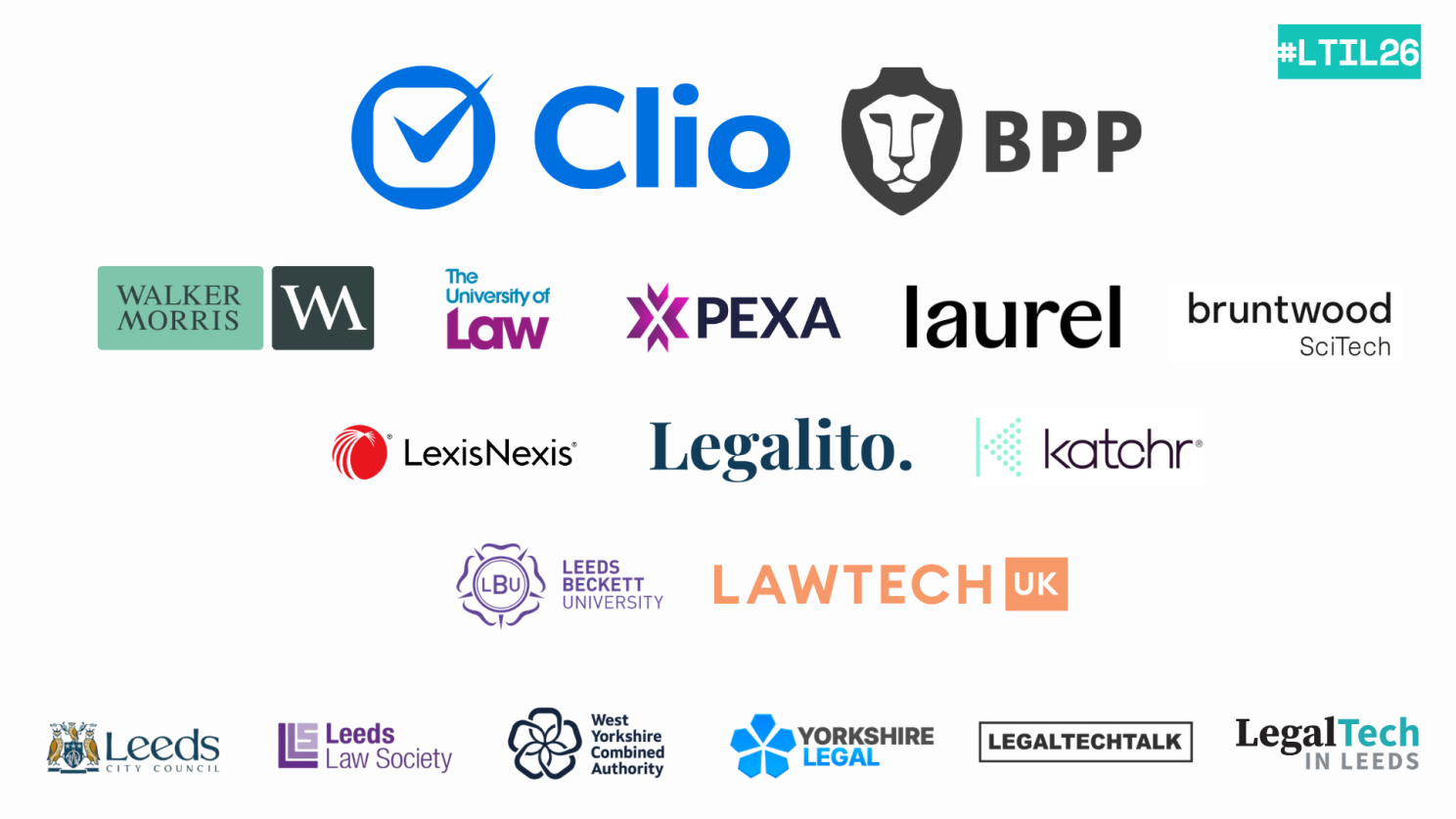
Primary Sponsors Clio | BPP
Conference Sponsors PEXA | University of Law | Walker Morris | Laurel | Legalito | Katchr | LexisNexis
Delivered in partnership with Lawtech UK | Leeds Law School, Leeds Beckett University
Thank you for your support, your energy on the day, and your commitment to driving LegalTech forward in this region and beyond. We could not do it without you.
Photos from the day are available here
The conversation does not stop here. We are hosting our Post-Conference Reflections Evening on Tuesday 30 June, 5pm to 8pm at Avenue HQ, Leeds, sponsored by LexisNexis.
It is a chance to reconnect with the community, reflect on the key themes from the day, and go deeper on the topics that sparked the most debate. Whether you were in the room on 21 May or missed out and want to catch up with the community, come and join us. Book your place
To find out more about LegalTech in Leeds, visit our website: legaltechinleeds.com
What a great day to share this article...


